


Reconstituting Lyophilized Peptides: A Step-by-Step Protocol for Research Use

Why Proper Reconstitution Matters
Lyophilized (freeze-dried) peptides are supplied as dry powders specifically because the lyophilized form is far more stable than a solution. Removing water inhibits hydrolysis, oxidation, and microbial growth — extending shelf life significantly when stored at -20°C.
However, the reconstitution step is where most handling errors occur. Improper technique can introduce contaminants, cause aggregation, or degrade the peptide before it ever reaches the assay. This guide covers the standard protocol used across most peptide research applications.
Step 1: Allow the Vial to Reach Room Temperature
Remove the vial from -20°C storage and allow it to equilibrate to room temperature for 15–20 minutes before opening. Opening a cold vial introduces condensation — water from ambient humidity that condenses on the cold powder and vial walls. This moisture can cause peptide degradation and affects accurate measurement of the reconstituted volume.
Do not attempt to accelerate warming by placing the vial in warm water or near a heat source. Gradual equilibration is the goal.
Step 2: Choose Your Solvent
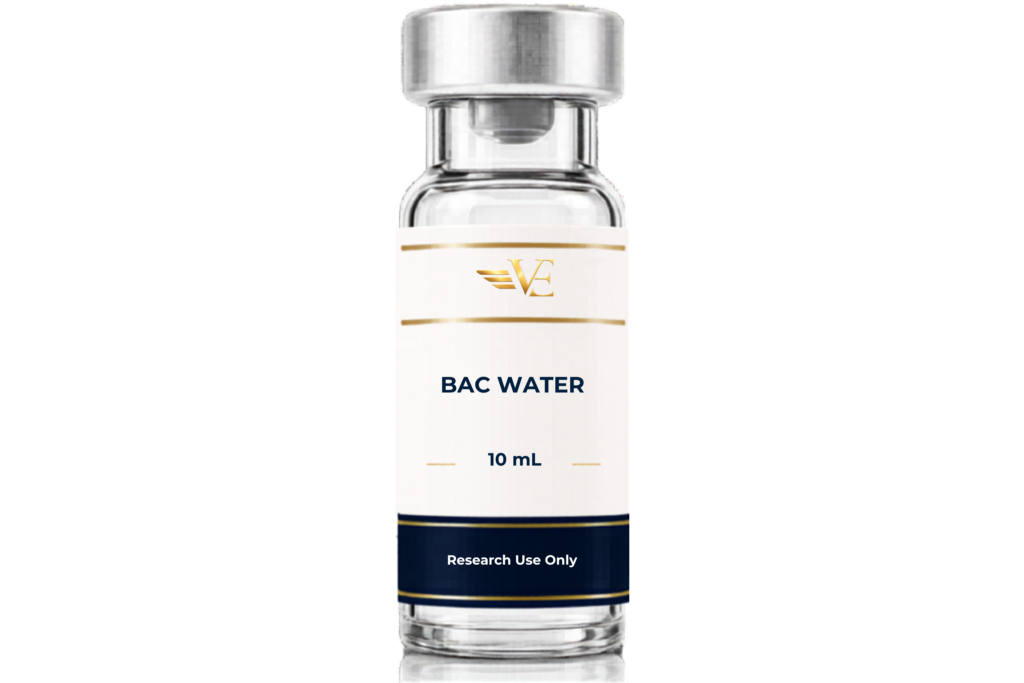
The most common reconstitution solvent for research peptides is bacteriostatic water (sterile water containing 0.9% benzyl alcohol as a preservative). Bacteriostatic water is preferred for multi-use reconstitution because the preservative inhibits microbial growth in the solution between uses.
For single-use reconstitution or when benzyl alcohol is not compatible with the assay, sterile water for injection can be used. Some peptides may require alternative solvents — check the product documentation for specific solubility data.
Anecdotal or calculation only. Not dosing guidance or medical advice. For laboratory research use only.
Acetic acid solutions (0.1–1%) are sometimes used for peptides with poor aqueous solubility at neutral pH. DMSO is a last resort for highly hydrophobic peptides. Always consult the manufacturer’s reconstitution guide when available.
Step 3: Add Solvent Slowly, Against the Vial Wall
Using a sterile syringe, draw the desired volume of solvent and inject it slowly against the inner wall of the vial — not directly onto the powder. The solvent should trickle down the glass and contact the lyophilized cake gently.
Anecdotal or calculation only. Not dosing guidance or medical advice. For laboratory research use only.
Direct injection onto the powder can cause foaming, aggregation, and loss of material that adheres to the syringe needle. Let gravity and diffusion do the work.
Step 4: Swirl Gently — Never Shake
Once the solvent has been added, gently swirl the vial to promote dissolution. Tilt the vial at a slight angle and rotate it slowly. Most lyophilized peptides will dissolve within 1–3 minutes with gentle swirling.
Do not shake the vial vigorously. Shaking introduces air bubbles and can cause peptide aggregation at the air-liquid interface. If the peptide does not dissolve readily, allow it to sit at room temperature for 5–10 minutes and swirl again. If dissolution remains incomplete, the solvent choice may need to be reconsidered.
Step 5: Aliquot and Store
For multi-use preparations, divide the reconstituted solution into single-use or limited-use aliquots in sterile microcentrifuge tubes. This minimizes the number of freeze-thaw cycles any single portion undergoes.
Store reconstituted aliquots at 4°C for short-term use (up to 2–4 weeks depending on the peptide) or at -20°C for longer storage. Label each aliquot with the compound name, concentration, date, and lot number.
Common Mistakes to Avoid
Opening the vial before it reaches room temperature (causes condensation). Injecting solvent directly onto the powder (causes foaming and aggregation). Shaking instead of swirling (denatures peptide at air-liquid interface). Using non-sterile solvents or contaminated syringes. Repeated freeze-thaw cycles without aliquoting. Failing to label reconstituted vials with concentration and date.
Following this protocol consistently will preserve peptide integrity and ensure reliable, reproducible results in your research applications.
Keep reading
All articles →Signs of Degradation: How to Identify Compromised Peptide Integrity
Peptides are not permanent. They are biological molecules subject to hydrolysis, oxidation, aggregation, and microbial contamination. Proper storage and handling dramatically extend usable life,…
How to Avoid Condensation Damage When Handling Lyophilized Powders
The Condensation Problem Condensation damage is one of the most common — and most preventable — causes of peptide degradation in research settings. It…
What Is Gonadorelin Acetate? A Research Overview
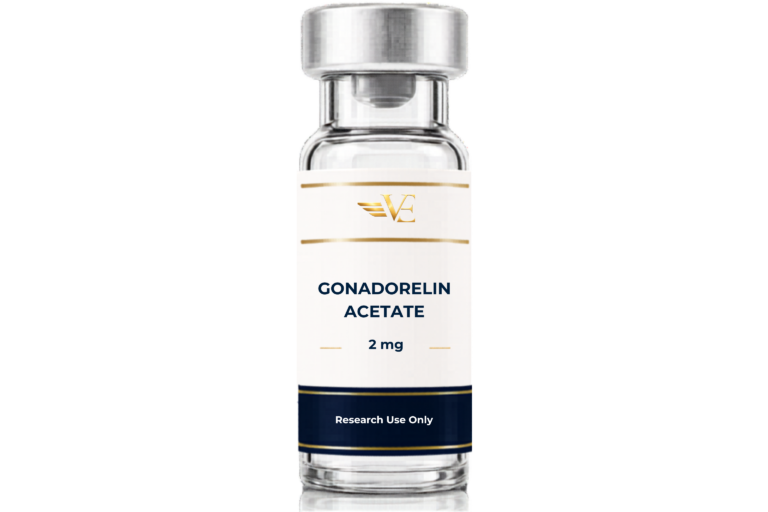
Gonadorelin is a synthetic decapeptide, a chain of ten amino acids, with the same sequence as natural gonadotropin-releasing hormone (GnRH). Gonadorelin acetate is its…
Primary sources
Research References
Our index of PubMed literature searches and PubChem records for 50 compounds: 16 in the Vial & Error catalog and 34 background literature entries. Each entry links to primary sources and, where one exists, our certificate of analysis, product page and research article.
Research assistant
Ask Kim
Questions about a compound's specifications, certificate of analysis or the published research we cite? Kim answers from our product data, COA records and research references. Every answer is labeled with where it comes from.
Not medical advice. Please don't enter personal information.