


How to Choose a Research Peptide Supplier: A Documentation Checklist
The best way to evaluate a research peptide supplier is to look at the documentation before you buy. A supplier should make it easy to see what was tested, who tested it, and which batch the results belong to.
1. Can you see the COA before ordering?
A Certificate of Analysis should be available without an account or a sales conversation.
2. Does the COA name the lab, batch and date?
Look for the testing lab, a batch or accession number, and a reported date. A report with no traceable details is hard to rely on.
3. Does it confirm identity as well as purity?
Purity shows how much of the sample is the main component. Mass identification helps confirm that component is the compound on the label. Look for both.
4. Is an SDS available?
A Safety Data Sheet gives handling, storage and first aid information for the material.
5. Can you reach someone?
Check for a clear way to contact support with questions about an order or a report.
You can review our COA and SDS library without creating an account, then shop research peptides.
Vial & Error products are. They are This article is general research information and is not medical advice.
Keep reading
All articles →How to Read a Certificate of Analysis — And What to Look For
A Certificate of Analysis (COA) is an analytical document issued by the manufacturer or an independent testing laboratory that reports the results of quality…
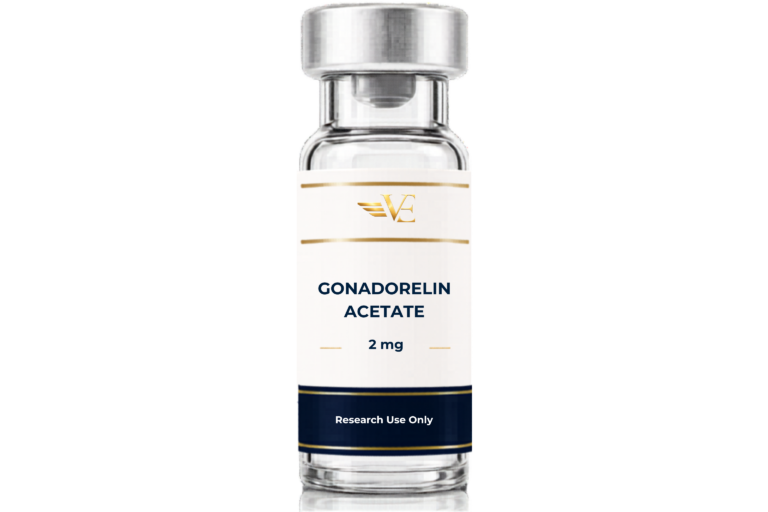
What Is Gonadorelin Acetate? A Research Overview
Gonadorelin is a synthetic decapeptide, a chain of ten amino acids, with the same sequence as natural gonadotropin-releasing hormone (GnRH). Gonadorelin acetate is its…

What Is R3T4? A Plain-Language Guide for Researchers
R3T4 is the Vial & Error catalog name for this GLP-3 research peptide, a synthetic peptide studied in laboratory models for its activity at…
Primary sources
Research References
Our index of PubMed literature searches and PubChem records for 50 compounds: 16 in the Vial & Error catalog and 34 background literature entries. Each entry links to primary sources and, where one exists, our certificate of analysis, product page and research article.
Research assistant
Ask Kim
Questions about a compound's specifications, certificate of analysis or the published research we cite? Kim answers from our product data, COA records and research references. Every answer is labeled with where it comes from.
Not medical advice. Please don't enter personal information.