


News & research
Research articles and references
Compound overviews, comparisons, lab-handling guides and documentation explainers from the Vial & Error research team, plus our index of PubMed and PubChem references.

Featured article
Compound Deep-DivesBPC-157: Mechanism, Research Applications, and What the Literature Actually Says
BPC-157, or Body Protection Compound-157, is a synthetic pentadecapeptide — a chain of 15 amino acids — derived from a protective protein found in human gastric juice. Its CAS number is 1628202-19-6, and it is supplied as a lyophilized powder…
Read the articleLatest articles
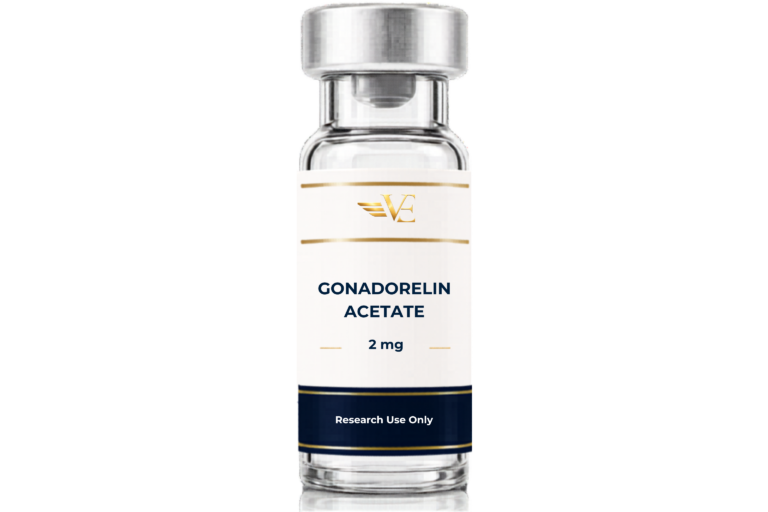
What Is Gonadorelin Acetate? A Research Overview
Gonadorelin is a synthetic decapeptide, a chain of ten amino acids, with the same sequence as natural gonadotropin-releasing hormone (GnRH). Gonadorelin acetate is its…
How to Choose a Research Peptide Supplier: A Documentation Checklist
The best way to evaluate a research peptide supplier is to look at the documentation before you buy. A supplier should make it easy…

What Is R3T4? A Plain-Language Guide for Researchers
R3T4 is the Vial & Error catalog name for this GLP-3 research peptide, a synthetic peptide studied in laboratory models for its activity at…
Signs of Degradation: How to Identify Compromised Peptide Integrity
Peptides are not permanent. They are biological molecules subject to hydrolysis, oxidation, aggregation, and microbial contamination. Proper storage and handling dramatically extend usable life,…

How to Avoid Condensation Damage When Handling Lyophilized Powders
The Condensation Problem Condensation damage is one of the most common — and most preventable — causes of peptide degradation in research settings. It…
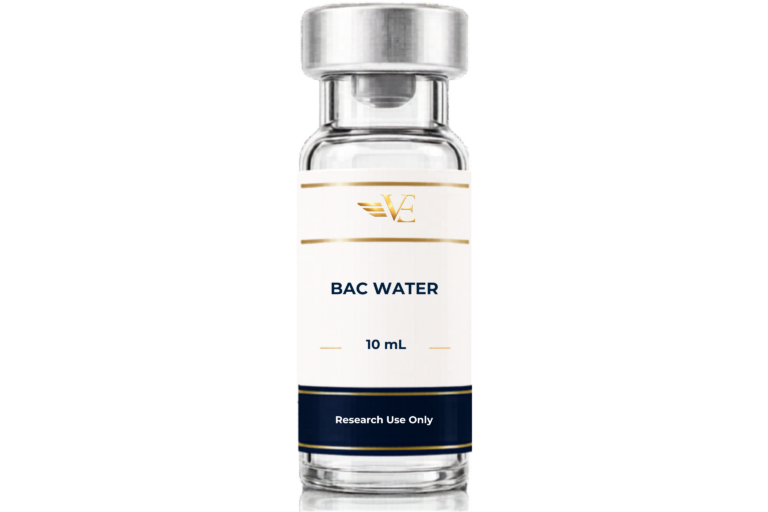
Reconstituting Lyophilized Peptides: A Step-by-Step Protocol for Research Use
Lyophilized (freeze-dried) peptides are supplied as dry powders specifically because the lyophilized form is far more stable than a solution. Removing water inhibits hydrolysis,…

GHK-Cu vs BPC-157: Extracellular Matrix vs Tissue Repair Pathways
GHK-Cu and BPC-157 are both studied in healing contexts but target different biological systems. Understanding the distinction helps researchers choose the right tool.

MOTS-c: The Mitochondrial-Derived Peptide Reshaping Metabolic Research
MOTS-c is a mitochondrial-derived peptide that has emerged as a significant research tool for metabolic signaling and exercise biology. Here’s what the published science…

Single Compounds vs Compounded Blends: When Combinatorial Research Makes Sense
When should researchers opt for individual compounds versus pre-compounded blends? A practical framework for deciding between singles and combinations.

TB-500: Actin Dynamics, Cell Migration, and Preclinical Research Models
TB-500 is one of the most studied thymosin beta-4 fragments in preclinical research. Here’s what the published literature says about its mechanism and applications.
How to Read a Certificate of Analysis — And What to Look For
A Certificate of Analysis (COA) is an analytical document issued by the manufacturer or an independent testing laboratory that reports the results of quality…

BPC-157 vs TB-500: Different Mechanisms, Different Models
A comprehensive look at BPC-157 — its mechanism of action, documented research applications, and what the preclinical literature actually supports. No hype, just data.
No articles in this category yet.
Primary sources
Research References
Our index of PubMed literature searches and PubChem records for 50 compounds: 16 in the Vial & Error catalog and 34 background literature entries. Each entry links to primary sources and, where one exists, our certificate of analysis, product page and research article.
Research assistant
Ask Kim
Questions about a compound's specifications, certificate of analysis or the published research we cite? Kim answers from our product data, COA records and research references. Every answer is labeled with where it comes from.
Not medical advice. Please don't enter personal information.
Articles summarize published, mostly preclinical literature. Nothing here is medical advice or guidance for human or animal use.
Our story
Started out of frustration. Built on accountability.
After years in the peptide research space, we kept seeing the same problems: sketchy suppliers, missing lab reports, and weeks of silence after an order. We started Vial & Error in 2026 to fix that.
We are veteran-owned and based in Florida, and we run the business on the principles we learned in the military: accountability, transparency, and doing exactly what we say we will do.